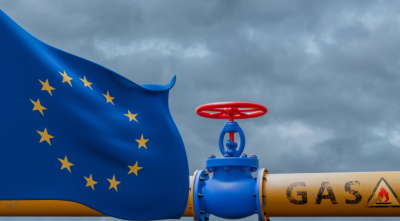
The European energy crisis, a systemic social event triggered by the breakdown of energy interdependence between Russia and Europe since 2021, stems from a structural contradiction arising from Europe's scarce energy resources and its high dependence on Russian supplies.
As the weather turns colder, the European energy crisis intensifies, foreshadowing an even harsher winter for the continent. The Bruegel Institute compiled statistics on relief measures taken by European countries over the past year, from September of last year to September of this year, to address the energy crisis and alleviate the burden on individuals and businesses. These measures totaled approximately €500 billion. However, since the outbreak of the Russia-Ukraine conflict, sanctions against Russia have begun to backfire on European countries in the energy sector. Simultaneously, Europe's existing economic structure and energy policies appear to be caught in an "impossible triangle" dilemma—the inability to simultaneously address the needs for green, secure, and affordable energy. This crisis, which has deeply mired Europe, has complex underlying causes, and its impact extends far beyond Europe, potentially even globally.
Europe's Energy Economic Dilemma
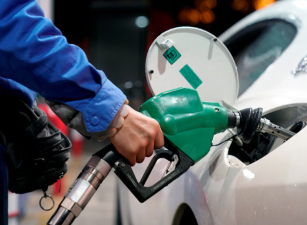
Europe itself suffers from relatively insufficient energy resources, heavily reliant on imports for energy supply, especially traditional energy sources such as oil, natural gas, and coal, with an external dependence rate as high as approximately 60%. Following the outbreak of the COVID-19 pandemic, the global energy market slumped, with a sharp decrease in oil and gas consumption demand, leading to a significant drop in oil and gas prices, even resulting in negative oil prices. To cope with the market shock caused by the shrinking demand, traditional energy industries had to adopt strategies of reducing investment and production. As the pandemic situation improved, energy consumption demand gradually recovered, but the previously slowed recovery in oil and gas production could not keep up with the demand growth, leading to a market imbalance. OPEC and other energy organizations continued to implement production control measures, while major oil-producing countries such as Saudi Arabia and Venezuela reduced energy extraction due to disruptions in overseas trade. This further exacerbated the global energy supply shortage, severely impacting European countries, intensifying the market imbalance, and causing a sharp rise in energy prices.
Economic and Social Impacts
The surge in natural gas prices triggered dramatic fluctuations in electricity prices. In August 2022, Germany's wholesale electricity price increased by 459.5% year-on-year, and UK residential electricity bills more than doubled. The Czech Republic, where 97% of its natural gas is dependent on Russia, saw tenants' rents quadruple, triggering protests. The relocation of energy-intensive industries led to a 10.7% inflation rate in the EU in October 2022, and reduced fertilizer production threatens global food security.
Significant regional differences exist in residents' lives:
- The cost of installing a heat pump in a southwestern German household reaches €50,000.
- Belgian households use window sealing tape to reduce energy consumption by 30%.
- Despite a 300% increase in firewood prices in Poland, it is still in high demand.
The ripple effects on the global energy market
◉ Adjustments in European electricity production: Major European power suppliers are pausing production. Norway, as Europe's largest electricity exporter, may face restrictions on electricity exports, raising concerns about a potential large-scale power outage in Europe. A European blackout would disrupt supply chains. Hydropower, the EU's fourth-largest electricity source, would decline sharply under extreme weather conditions, leading to a surge in demand for thermal power, which in turn would drive up natural gas demand.
◉ Threats to International Energy Supply
However, Russia is reducing natural gas supplies, and the EU's ban on Russian coal has taken effect, potentially leading to further increases in coal prices, which will support rising electricity prices. If widespread power outages occur before winter, Europe will face a double challenge from both climate and natural gas shortages. Europe's power crisis will not only affect the region locally, but its ripple effects could also have global repercussions. With soaring electricity prices, many manufacturers may be forced to shut down due to cost pressures. This situation will not only plunge Europe into difficulties but could also have a profound impact on my country's chemical market and other industrial chains.